Tartaric acid and tartrates (E334 to E337): Halal or Haram?
Doubtful
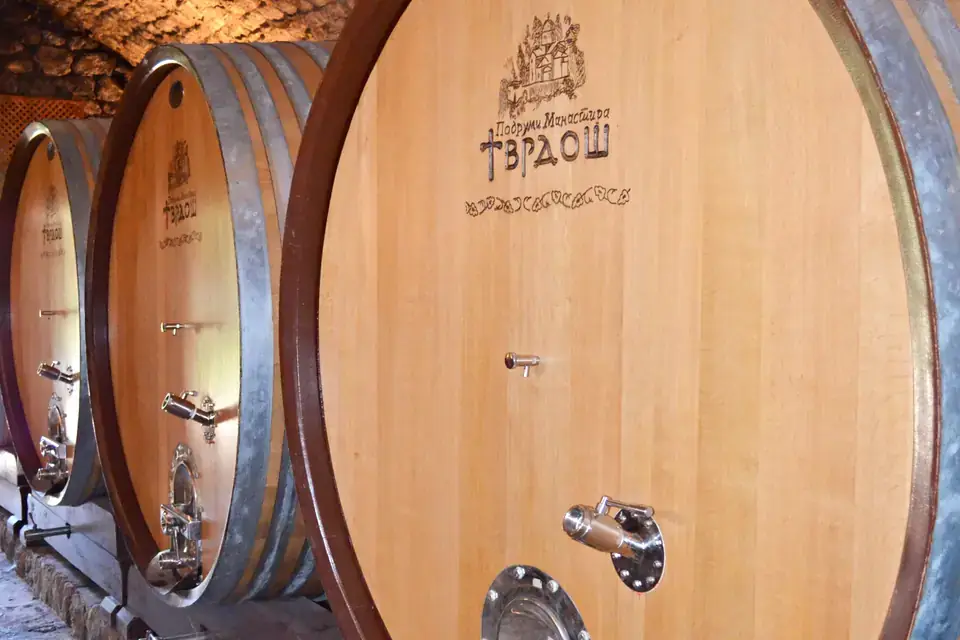
Tartaric acid and its salts sour food and lighten baking. Most commercial tartaric acid is recovered from the sediment winemaking leaves behind. It is not alcohol, and none remains in the additive, but scholars differ on a wine by-product: the Hanafi and Maliki positions accept it as transformed, the Shafi'i and Hanbali positions are more cautious. Synthetic and unfermented-grape routes also exist, and a label does not say which was used.
E334 Tartaric acid
A sharp fruit acid, best known from grapes.
Why it is doubtful. This is the acid itself, the one the other three are built from, so the source question above applies to it directly.
Where you meet it. Baking powder, boiled sweets, fizzy drinks, jams, wine gums.
E335 Sodium tartrate
The sodium salt of tartaric acid, used to steady acidity.
Why it is doubtful. It is made from tartaric acid (E334), so it inherits that question exactly: usually recovered from wine sediment, sometimes synthetic, and the label does not distinguish them.
Where you meet it. Baking mixes, jellies, processed cheese, sweets.
E336 Potassium tartrate (cream of tartar)
The white powder sold for stiffening egg whites and lightening cakes.
Why it is doubtful. It is a salt of tartaric acid (E334) and carries the same open question about the wine sediment most tartaric acid is recovered from.
Where you meet it. Baking powder, meringue, icing, sherbet.
E337 Sodium potassium tartrate
A double salt of tartaric acid, used as a stabiliser.
Why it is doubtful. Built from tartaric acid (E334), so the same wine-sediment question applies and is equally undeclared.
Where you meet it. Processed cheese, jellies, baking mixes, sweets.
Halal or not depends on what it is made from
Tartaric acid and tartrates (E334 to E337) are Mushbooh: Halal when the tartaric acid is made chemically or from unfermented grapes; from wine sediment, the usual source, scholars differ.
| Made from | Verdict | Why |
|---|---|---|
| Made chemically | Halal | No wine involved |
| Unfermented grapes | Halal | No wine involved |
| Wine sediment (the usual source) | Mushbooh | Scholars differ: some accept it as changed, others are cautious |
| Halal-certified product | Halal | A certifier checked the source |
| Source not stated on the label | Mushbooh | Labels do not say which source was used |
Scholarly view
Schools of law
Certification bodies
Fatwa councils, scholars and other sources
Only views with a published source are listed. Our app shows tartaric acid and tartrates (E334 to E337) as Mushbooh unless the label or the maker settles the source.
What to do in the shop
Look for a product that names the source, says plant-based or vegan, or carries a Halal certificate. If nothing on the packet settles it, the manufacturer can tell you, and their answer is the only thing that turns E334 from a question into an answer.
Questions people ask
Is E334 Halal?
E334 (Tartaric acid): Doubtful. This is the acid itself, the one the other three are built from, so the source question above applies to it directly.
Is E335 Halal?
E335 (Sodium tartrate): Doubtful. It is made from tartaric acid (E334), so it inherits that question exactly: usually recovered from wine sediment, sometimes synthetic, and the label does not distinguish them.
Is E336 Halal?
E336 (Potassium tartrate (cream of tartar)): Doubtful. It is a salt of tartaric acid (E334) and carries the same open question about the wine sediment most tartaric acid is recovered from.
Is E337 Halal?
E337 (Sodium potassium tartrate): Doubtful. Built from tartaric acid (E334), so the same wine-sediment question applies and is equally undeclared.
Products we checked that contain tartaric acid and tartrates (E334 to E337)
- Ahoj-Brause Brause Bonbons 125 g · Mushbooh
- Ahoj-Brause Brause Bonbons 23 g · Mushbooh
- Ahoj-Brause Brause Bonbons Zitrone 23 g · Mushbooh
- Ahoj-Brause Brause Brocken 80 g · Mushbooh
- Ahoj-Brause Brause Pulver 58 g · Mushbooh
- Ahoj-Brause Super Bär 125 g · Mushbooh
- HARIBO Kinder Schnuller Sauer · Haram
Related additives
Check a product, not just a number
An additive's status describes the additive in general. What matters is the whole ingredient list on the packet in your hand.